
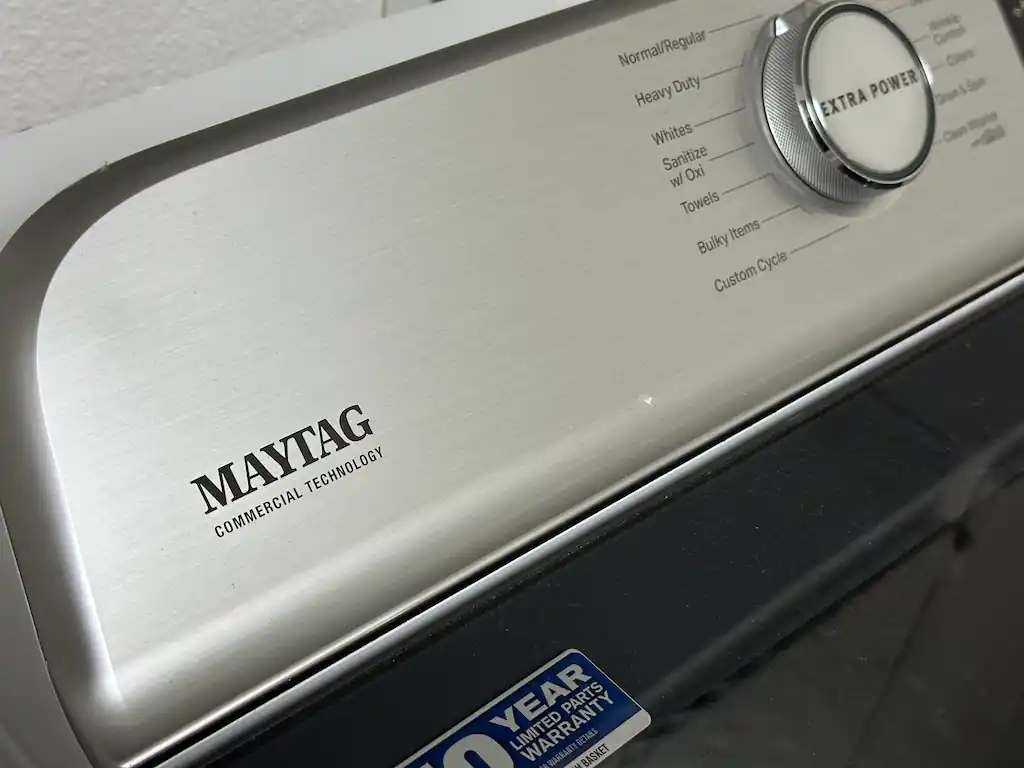
If your washing machine control board has failed, replacing the board alone may not solve the problem. As in several of our previous repairs, we once again discovered that a shorted drain pump had damaged the main control board. Unless the original electrical fault is found and repaired, a brand-new control board can fail again shortly after installation.
One of the biggest mistakes in appliance repair is assuming the most obvious failed part is the only problem.
A washing machine arrives completely dead. The display is blank, none of the buttons respond, and it looks like the main control board has simply failed.
Many technicians—and even experienced DIY homeowners—would naturally replace the control board, also known as the main PCB or relay board.
The new board is installed.
The washer powers up.
The customer is happy.
Then, a few minutes after the first cycle starts, the washer dies again.
Now everyone is asking the same question:
Why did the new control board fail too?
Sometimes the control board isn’t the actual problem.
Sometimes it’s the victim.
The Hidden Fault Was a Shorted Drain Pump
This article is based on a real repair we recently completed.
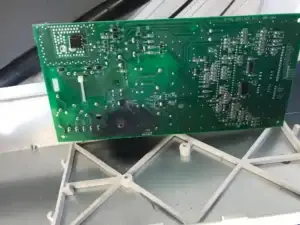
During diagnosis, the main control board was clearly damaged. At first glance, replacing the board seemed like the correct repair.
However, after further testing, we discovered the real culprit—a drain pump with an internal electrical short.
The control board supplies power to the drain pump every time the washer needs to remove water. When the pump motor develops an internal short, it can pull far more current than the board was designed to handle.
That excessive electrical load can overheat relays, damage output circuits, burn electronic components, and ultimately destroy the control board itself.
Installing another control board without replacing the defective pump simply exposes the new board to the exact same electrical fault.
The replacement board wasn’t defective.
It was connected to a machine that still contained the component that destroyed the original one.
A failed control board is sometimes only the symptom. The real problem may be another electrical component hiding somewhere else in the machine.
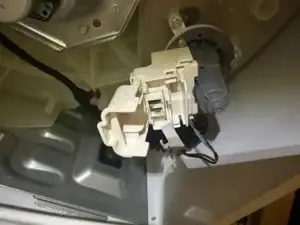
A shorted drain pump can overload and permanently damage the washing machine’s main control board.
Why Proper Diagnosis Matters
Control boards are among the most expensive parts in modern appliances. Before replacing one, it’s important to understand why it failed.
A proper diagnosis often includes checking:
- Drain pump resistance and insulation
- Motor windings and current draw
- High-current loads connected to the board
- Wire harnesses and electrical connectors
- Signs of overheating, moisture or corrosion
- Burned relays and damaged output circuits
- Possible shorts to ground
- Manufacturer service information and diagnostic fault codes
Many electrical failures cannot be identified with a simple visual inspection. Components may look perfectly normal while hiding an internal short that only appears during electrical testing.
Diagnostic procedures vary by model, so it’s always a good idea to consult the manufacturer’s support resources, such as Whirlpool Product Help, before replacing expensive electronic components.
That’s why professional diagnostic equipment and experience are often just as important as replacing parts.
Always disconnect power before opening or servicing any appliance. Live-voltage and current testing should only be performed by trained professionals using proper safety procedures.
This Doesn’t Only Happen on Washing Machines
The same type of failure can happen in almost any modern household appliance.
Electronic control boards often fail because another component overloads the circuit.
For example:
- A refrigerator evaporator fan, compressor circuit or defrost heater can damage the control board.
- A faulty ice maker component can overload the electronics controlling it.
- A dishwasher drain pump, circulation pump or water valve can damage the main PCB.
- A microwave high-voltage component can destroy relay circuits.
- A dryer motor, heating circuit or gas valve can contribute to electronic control failure.
Whenever a control board fails, one question should always be asked before ordering expensive parts:
“What caused the board to fail?”
A washing machine that appears completely dead may actually have multiple failed components.
Replacing Parts Isn’t the Same as Diagnosing the Problem
Replacing the damaged control board is often the easiest part of the repair.
Finding the component that caused the damage is where professional diagnosis becomes valuable.
A complete repair usually involves:
- Confirming the control board has actually failed.
- Determining which electrical circuit damaged it.
- Testing connected components and wiring.
- Replacing the original failed component.
- Installing the new control board only after the circuit is safe.
- Running the appliance through a complete functional test.
This approach helps prevent repeat failures, unnecessary parts replacement, and costly callbacks.
Professional appliance repair isn’t simply replacing whatever part looks bad. It’s understanding how the entire electrical system works together and identifying the real source of the failure.
Final Thoughts
In this repair, the damaged control board wasn’t the original problem.
The hidden cause was a drain pump with an internal electrical short.
Only after replacing the defective pump was it safe to install a new control board.
That experience reinforces an important lesson we see regularly in appliance repair:
Don’t replace the victim before finding the culprit.
Taking a little extra time to perform a complete diagnosis can save hundreds of dollars in unnecessary parts, prevent repeat failures, and ensure the repair is done right the first time.
Frequently Asked Questions
Can a bad drain pump damage a washing machine control board?
Yes. If the drain pump develops an internal electrical short, it can draw excessive current and damage the relay or output circuit on the main control board.
Should I replace the control board first?
Not always. The control board may only be the failed component you can see. Proper testing should determine what caused it to fail before installing a replacement.
Why did my new control board fail again?
In many cases, another defective component—such as a drain pump, motor, or wiring fault—was never repaired. The same electrical problem can quickly damage the replacement board.
Can I diagnose this myself?
Basic visual inspections are possible, but electrical testing requires proper equipment and experience. Incorrect diagnosis can result in unnecessary parts replacement or repeated failures.
Do all appliance control board failures have another cause?
No. Control boards can fail because of age, power surges, moisture, or manufacturing defects. However, experienced technicians should always investigate whether another component caused the failure before replacing an expensive board.